

Istria Model Forest is a partner in the EU project SMURF – Sustainable Models for Small Forest Holdings, funded through the Horizon Europe programme. The project brings together 26 partners, mainly forest owner associations from across Europe, and focuses on developing effective management models and value chains for small private forests. These forests represent a significant share of the total forest area in many regions, yet they are often overlooked in management systems, planning, and support structures. Also the Western Macedonia Model Forest is involved in the project, making it a networking opportunity within the Model Forest of the Mediterranean.
Forests within the boundaries of Istria Model Forest cover an area of 66,556 hectares, of which 78% belong to private forest owners. Small owners are those whose forests cover up to 20 hectares, making up 99% of all owners in Istria.
Small private forests are often unmanaged, with unclear ownership, fragmented plots, very small areas, and little to no economic interest in timber use, especially when it comes to shrublands or low-quality stands.
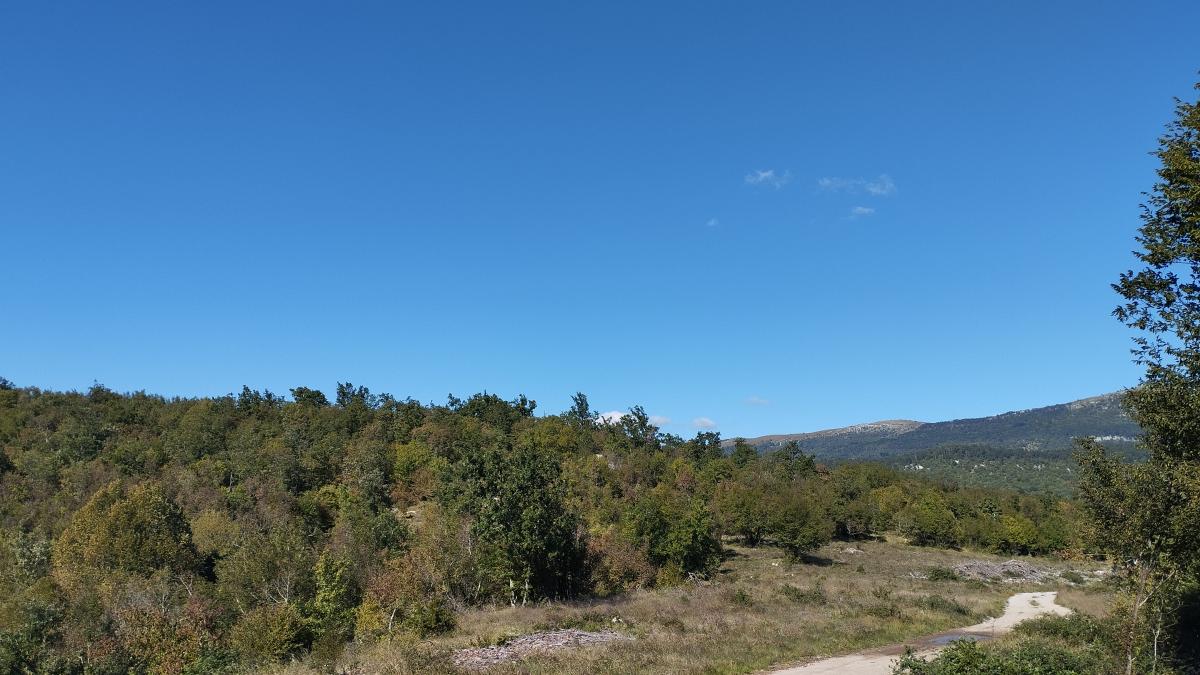
The SMURF project aims to change this reality by establishing sustainable forest management practices, connecting owners, and creating market opportunities along the entire value chain — from the use of timber and non-timber forest products to the development of recreational, hunting, and other forest-related services.
Through this project, new and simpler models of cooperation and business are being developed, tailored to small forest owners, of which there are more than 20 million across Europe. One of the project’s goals is to promote management based on Close to Nature Forestry principles. This approach encourages natural regeneration, the use of mixed and local species, and sustainable restoration, ensuring ecological stability and long-term benefits for local communities.
The project also promotes the recognition of the ecological value of forests and the introduction of Payments for Ecosystem Services (PES). The PES system is based on acknowledging and rewarding the environmental services that forests provide to society, from carbon storage and soil protection to water regulation, biodiversity conservation, and recreational landscape value. Within the SMURF project, the PES concept is viewed as a way to recognize and value the role of forest owners in ecosystem conservation, opening the door to new income sources and encouraging sustainable forest management.
As a project partner, the Istria Model Forest collects field data and analyses the state of private forests in the region. To achieve this, it has engaged with forest owners in northern Istria to gather information on forest use, income derived from forests, owners’ needs and concerns, and business ideas to increase forest-based income. Most owners use their forests primarily for firewood and earn little from non-timber forest products such as mushrooms, forest fruits and berries, or wild herbs, which are freely collected from their land.
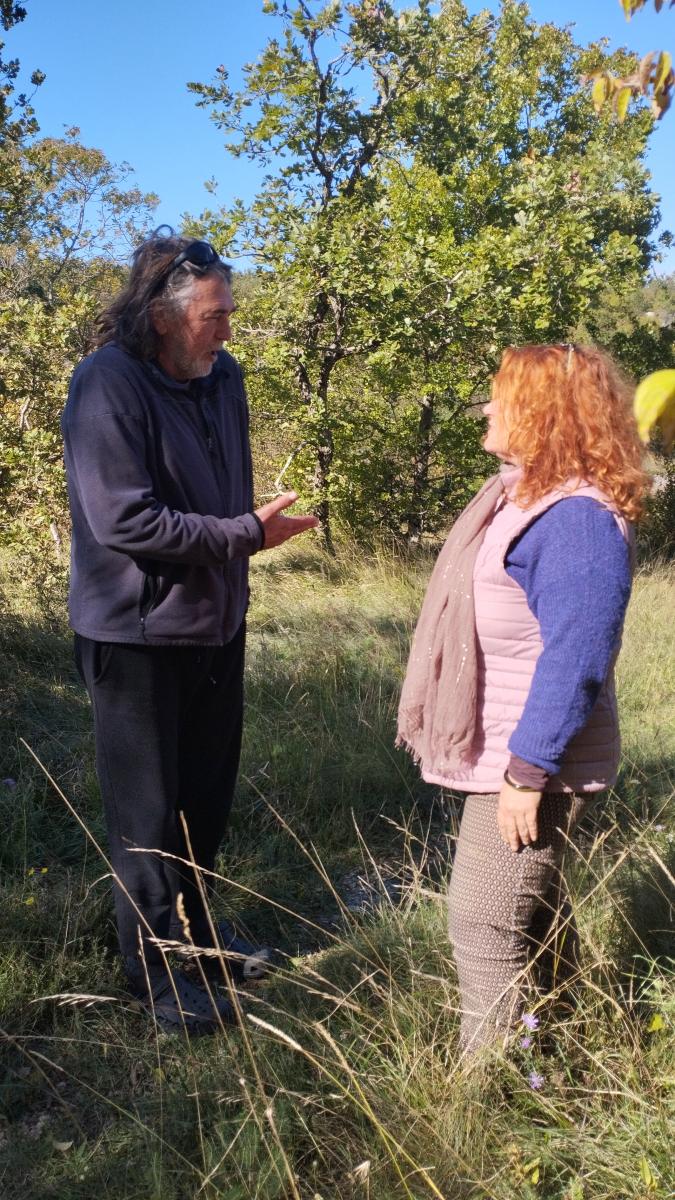
In essence, most owners do not view their forests as an economic asset, since aside from firewood for personal use, they feel no financial relief in their household budgets”.
Professional foresters are rarely involved in forest management, and tree marking is seldom done in accordance with an approved management plan, which would otherwise guide sustainable practices.
Another issue that came up in discussions with forest owners is the limited and poor state of forest roads, which makes access difficult, especially in cases of unexpected forest fires.
In the Ćićarija region, which lies within the IstriaModel Forest area, one of the recognized problems is the overgrowth of pastures that are gradually turning into forests, a consequence of the decline in livestock farming. Here, black pine stands out as a species historically used for afforestation but has now spread extensively, colonizing abandoned pastures, vineyards, and orchards. Forest owners describe black pine as “almost invasive”, since it spreads rapidly, acidifies the soil, and makes it unsuitable for many other plant species that once thrived there. Some owners have therefore begun organized removal of black pine to restore pastures to their original state and preserve biodiversity.
From discussions with forest owners, Model Forest Istria concluded that the greatest need is for education and information on sustainable forest management, incentives for forest infrastructure, and the potential of Payments for Ecosystem Services (PES) — which could bring future economic benefits to private forest owners and shift their perception of forests.
You can learn more about the project on the website and social media:
X (Twitter): @SMURFProject
LinkedIn: SMURF Project
YouTube: SMURF Project Channel
Facebook: Facebook


