
English name:
Local name:
Description:
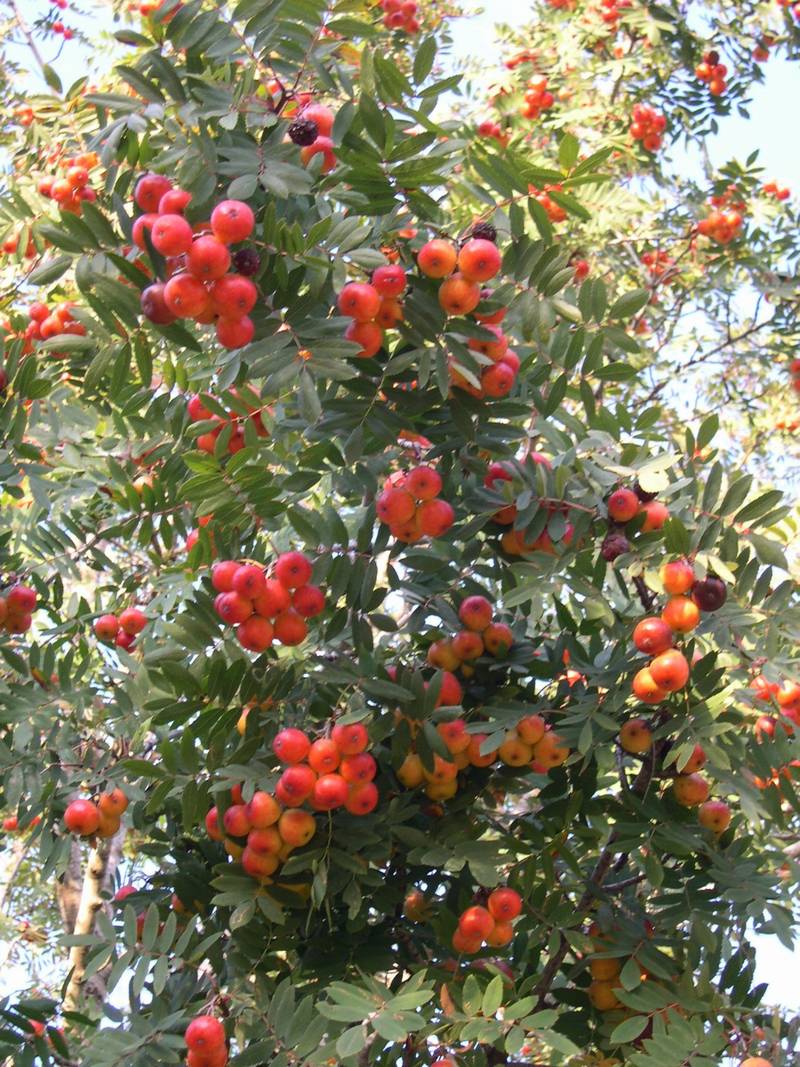
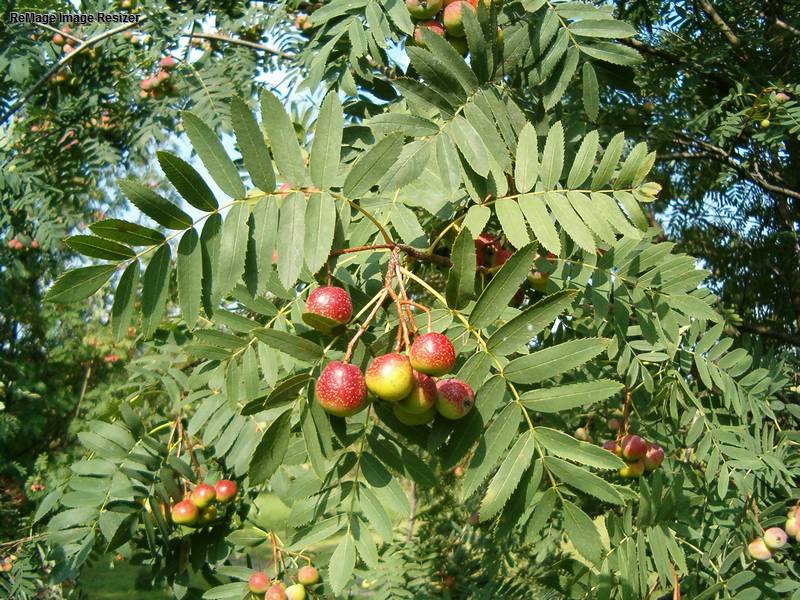
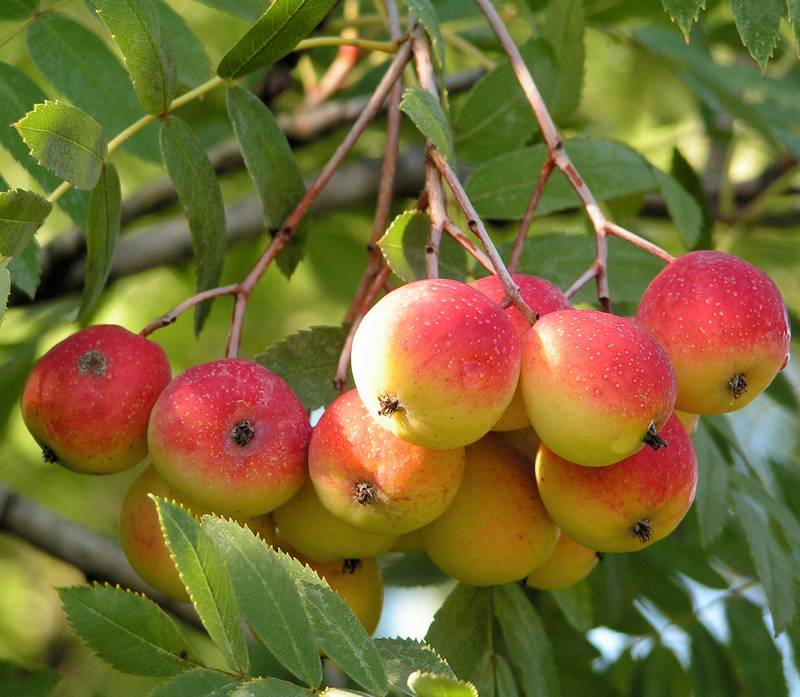
The service tree is a 15-20 (30) m tall tree with a wide circular or oval crown and a 60 cm (100) diameter. The bark is ashy-grey; red-brown to dark blue, it is partly peeling off and later is becomes vertically fissured. The root system is heart-shaped with multiple and well developed taproots. Shoots are yellow-brown, bare, partially covered with a grey skin layer and sprinkled with lenticels. Short shoots are numerous and circularly wrinkled. The buds are spirally distributed around the shoots, they are 1 cm long, oval conical, with a blunt apex, covered in shells. Bud shells are wide, sticky, green, partially red with darker edges, bare and shiny. The terminal bud is bigger and longer than the lateral buds, which are leaning on the shoot. The leaf scar has a triangle to a half-moon shape with 5 marks of conducting trusses. The leaves are 15-18 cm long, unevenly downy consisting of 11 to 21 oblong and narrow leaflets, 3 - 8 cm long, with a symmetrical basis, sharply serrated margin, bare on the top side and downy on the underside but later bare and blue-green, red in autumn. Leaflets leaf out quite early. The fruits are bisexual, entomonogamous, white, 1,5 cm wide, with 35-37 flowers in corymbs. There are five petals and 20 stamens, with 5 fruit leaflets which are completely grown. It blossoms in May and June. The visible fruits are juicy, apple or pear like, up to 3 cm long, yellow-green to brown, sprinkled with lenticels, and reddish on the sunny side. They have a sour taste and only after the first frost they become brown, soft, tasty and sweet. They ripen in September and October, contain 5-6 seeds which are 7 mm long, widely oval, flat, with a sharp top, brown and more or less shiny. The seeds are dispersed by wild game, birds and rodents.
Uses:
Usable part:
Fruits, wood
Usage:
The hard service tree fruits are astringent, bitter and sour. It is only after they left to blet and after first frost, when they over-ripen that they become soft, tasty and sweet. The fruits are eaten raw but they can also be processed to marmalades and compote. It is also used as a supplement in the production of cider or during the processing of service tree brandy. Service tree fruits contain 11-14 % of sugar (significantly more fructose than glucose). The over-ripened fruit contains some alcohol and apple acid (0,6%), tannin, nitrogen matter and a lot of cellulose. It also contains vitamins such as 8 mg% of ascorbic acid and 2,5 mg% of carotene. The fruit are eaten by deer. The wood is used for making field tools, moulds for cast-iron casts, clogs, pool sticks, rifle butts, harpsichords, Scottish bag-pipes and expensive furniture.


