
English name:
Local name:
Description:
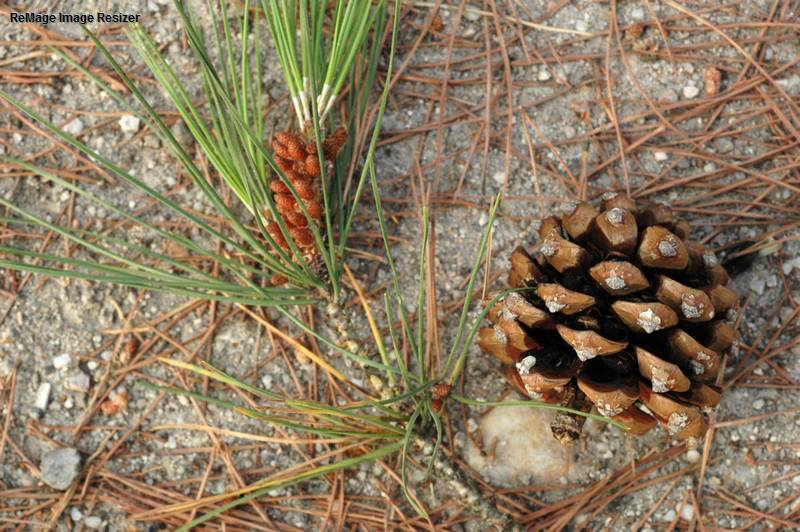
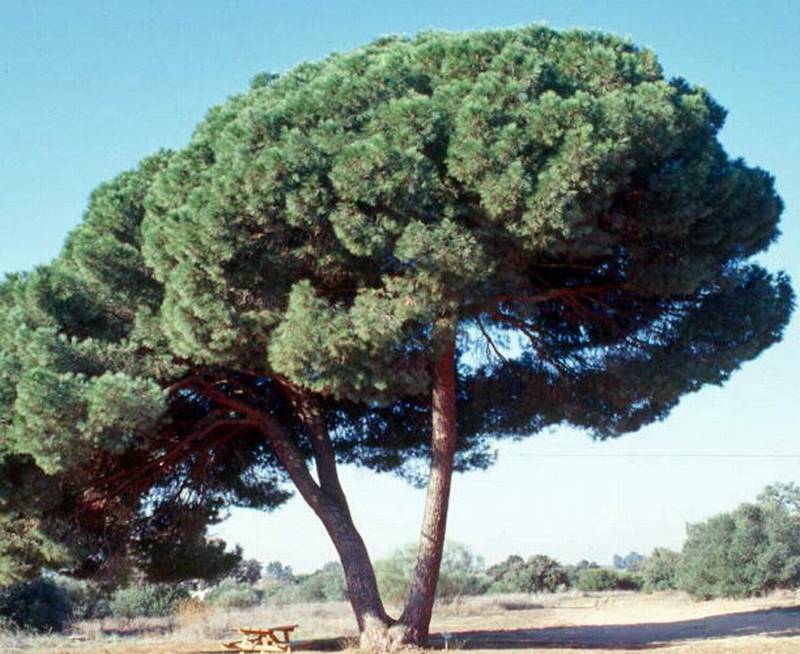
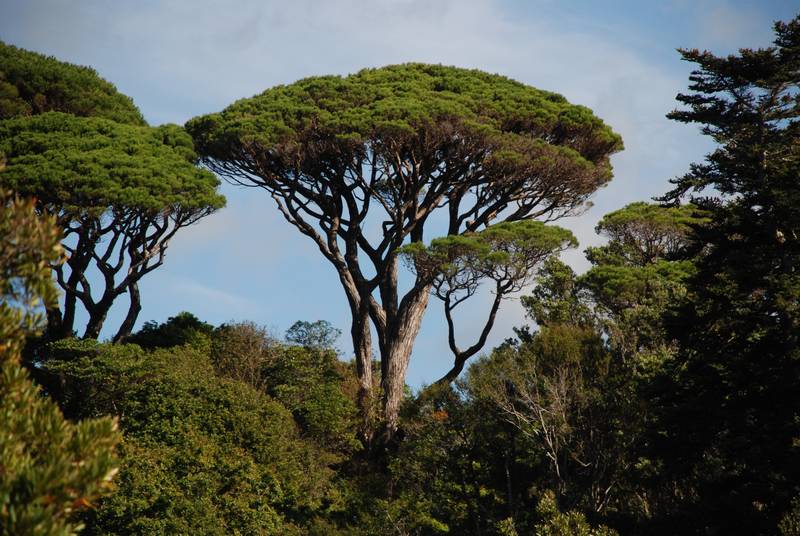
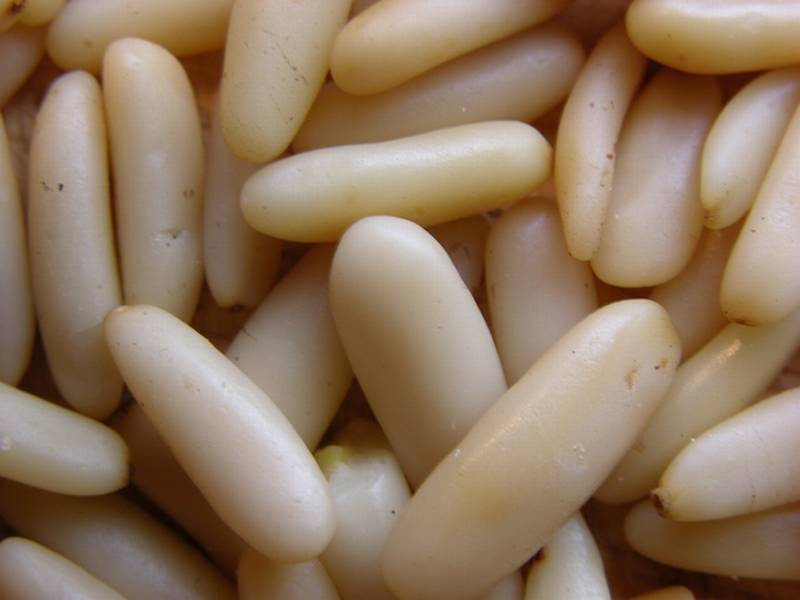
The tree is 15-25 meters tall and the tree trunk diameter is 60 cm. The crown is in the form of an umbrella, the trunk is solid and strong, clear of branches up to a significant height compared to other species in this genus. The bark is brown-red, deeply fissured, and with time it cracks into big grey-brown panels, 2 to 10 cm thick. The root system is deep, very branched and without a taproot. The buds are cylindrical, spiked and light brown. The shells are white and fringed. The buds are not clammy. The needles have a grey-blue to light green colour. They come in bundles of two, 10 - 25 cm long and 1,5-2 mm thick. They are slightly bent and rigid, with a sharp top. They start to fall out in the third or fourth year. The flowers are unisex. Male flowers are yellow, cylindrical. Female cones develop at the top of shoots. They flower in March and April. The cones have a red-brown colour, 8-14 cm long and about 10 cm wide. They are oval and cupule shaped, and the shells have a pointed dark brown prickly apophysis and an accentuated umbo. Their reach maturity at the end of the third year and after the seeds fall out they remain attached on branches for a few more years. The pine proliferates with seeds. The seeds are large, 15 to 20 mm long and 5 to 11 mm wide. It has a narrow and short wing and a hard seed. It is brown and covered in black powder. The core is edible and is also used for the processing of edible oil. They sprout with 10 to 13 cotyledon.
Uses:
Usable part:
Seeds
Usage:
It is used for the prevention of cardiovascular diseases (lowering the blood pressure and LDL colesterol), against anxiety, tuberculosis, kiddney, urinary tract and digestive system disorders.


